June 14–26, 2026 | Les 2 Alpes, France
Cypress Ski Club
As parents, we spend a lot of time talking about results. Times. Placings. Progress. But standing on a glacier in France gives you a different perspective. You see the skiing, of course. You also see everything around it.
You start to notice the things that don’t appear on a results sheet. The athlete who speaks up to a coach for the first time. The one who keeps going when they’re tired. The one who helps a teammate. The one who learns to handle disappointment. The one who becomes a little more independent. Those moments are easy to miss when we’re focused on the finish line. They were impossible to miss in Les 2 Alpes.
You see the early-morning wake-ups. The tired faces at breakfast. The excitement when something finally clicks. The frustration when it doesn’t. The friendships that grow between training runs. The quiet moments when an athlete starts to realize they are capable of more than they thought. For ten days in Les 2 Alpes, I had the opportunity to see all of that up close. And what stayed with me wasn’t simply how much the athletes improved on skis.
It was how much they grew as people.
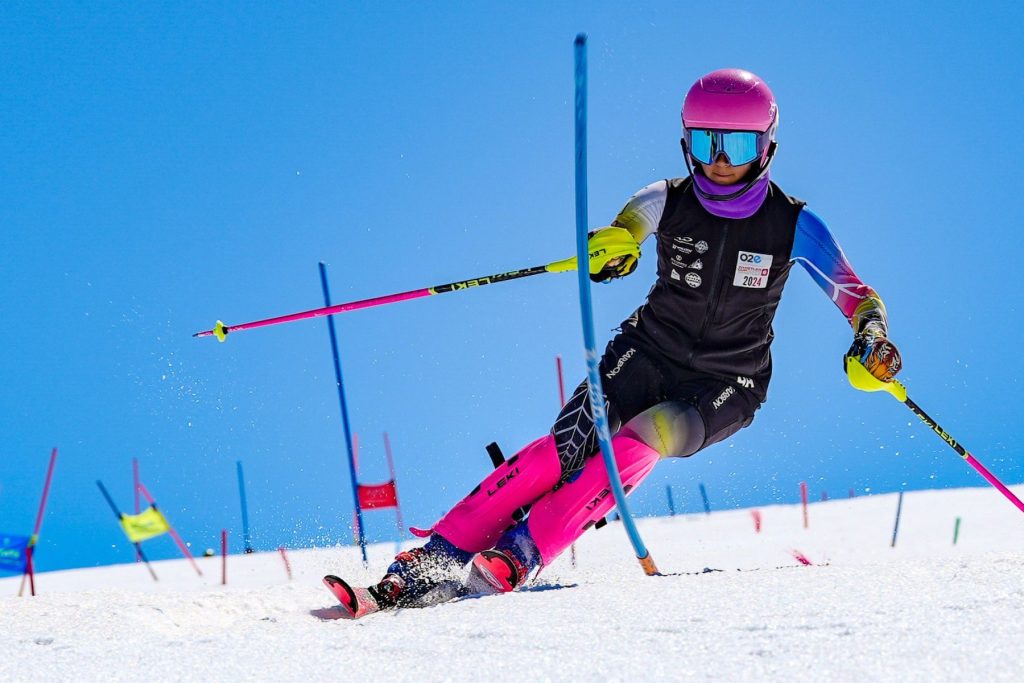
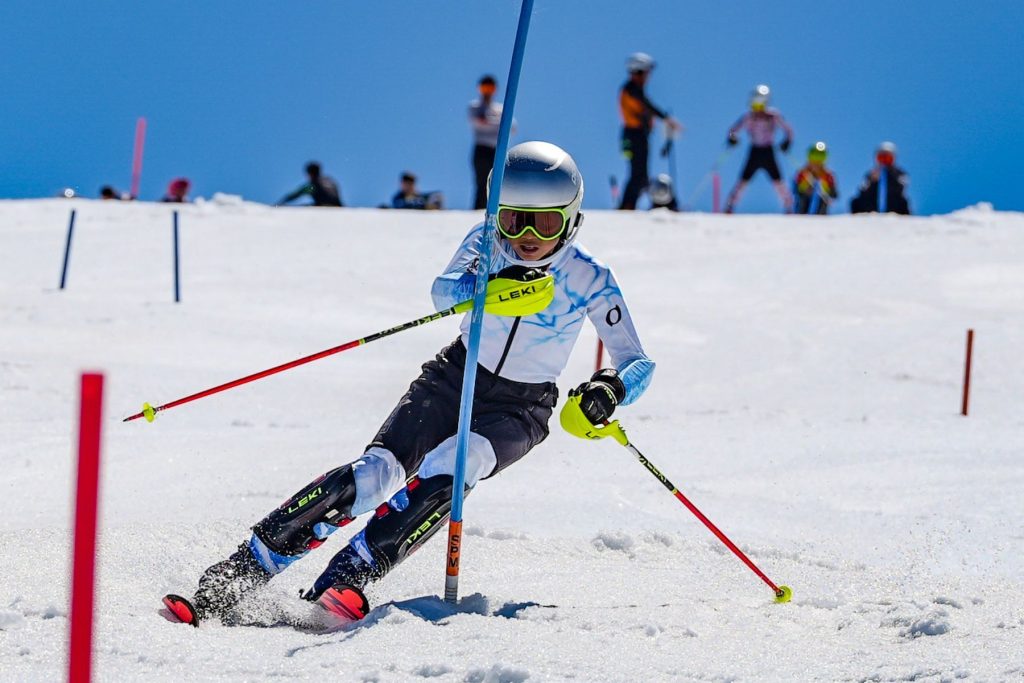
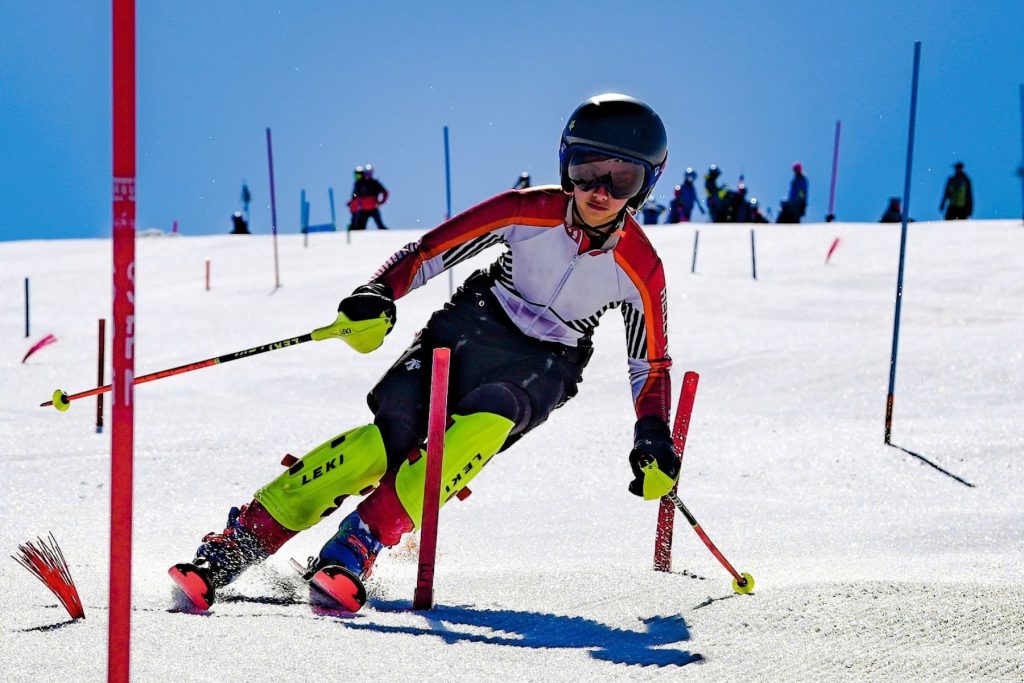
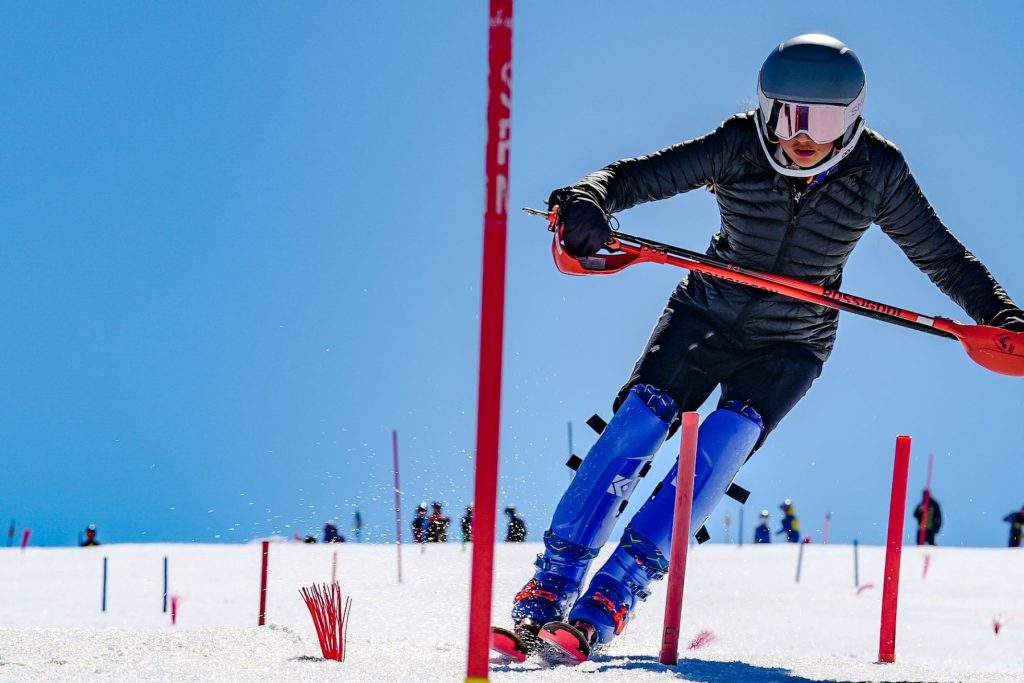
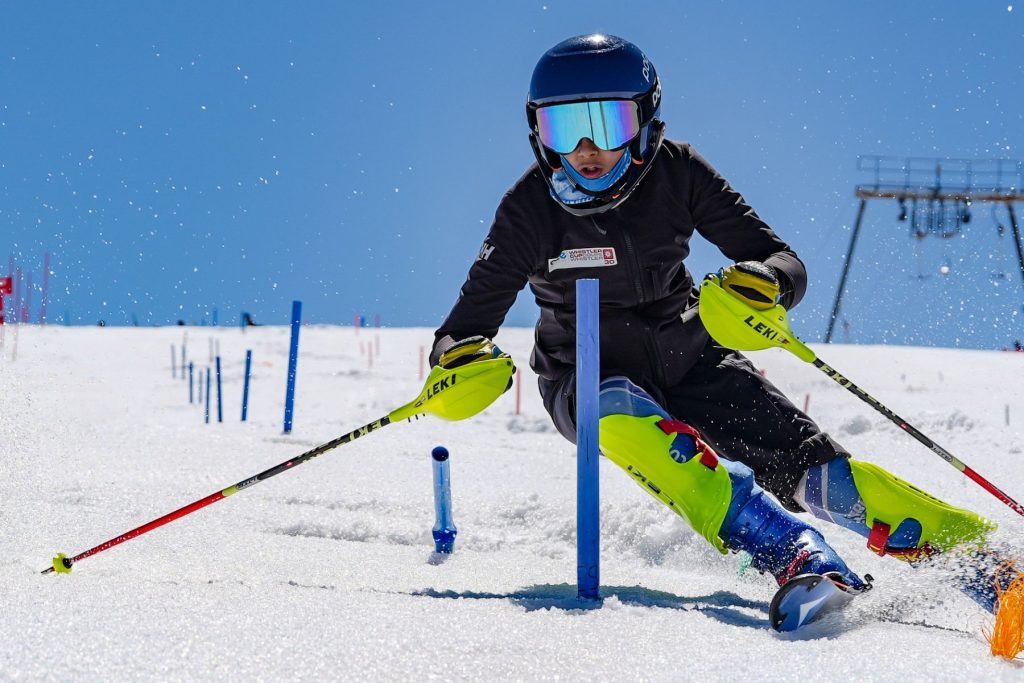
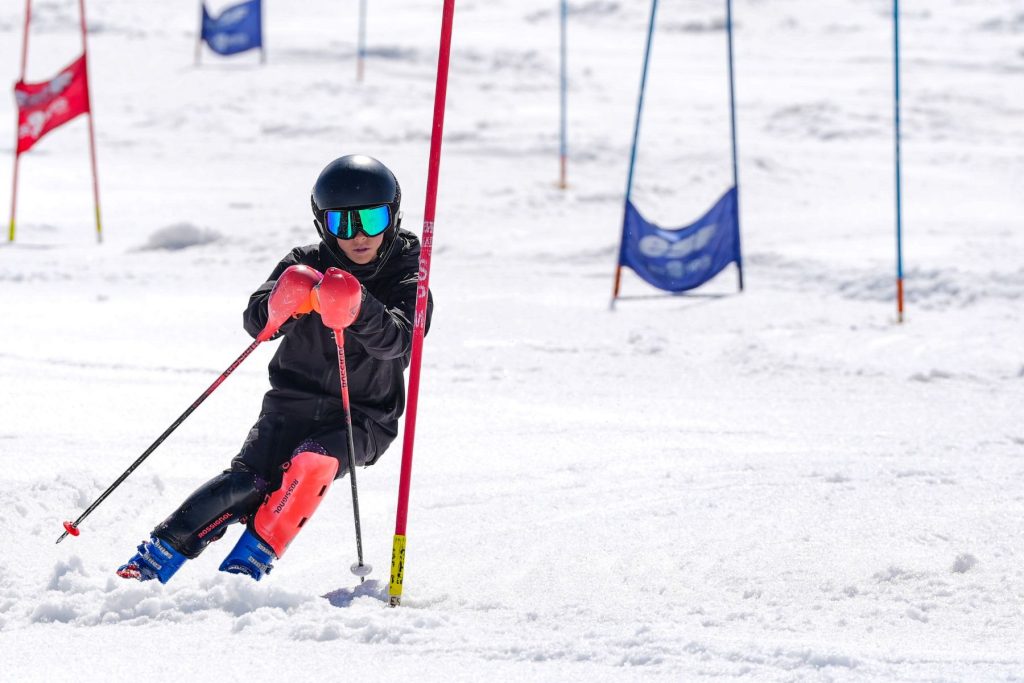
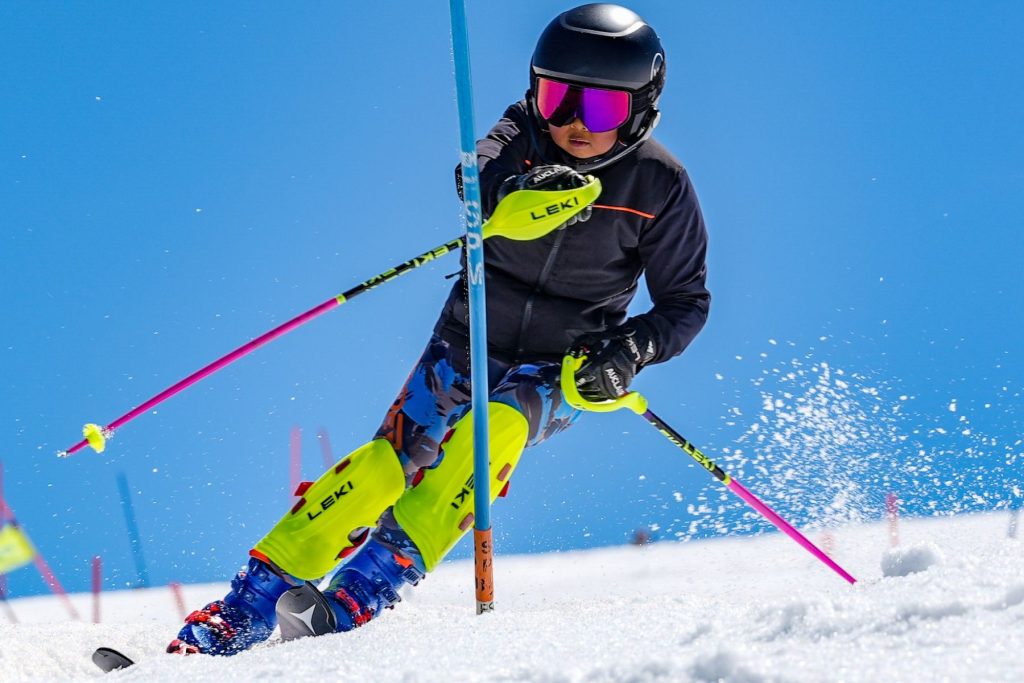
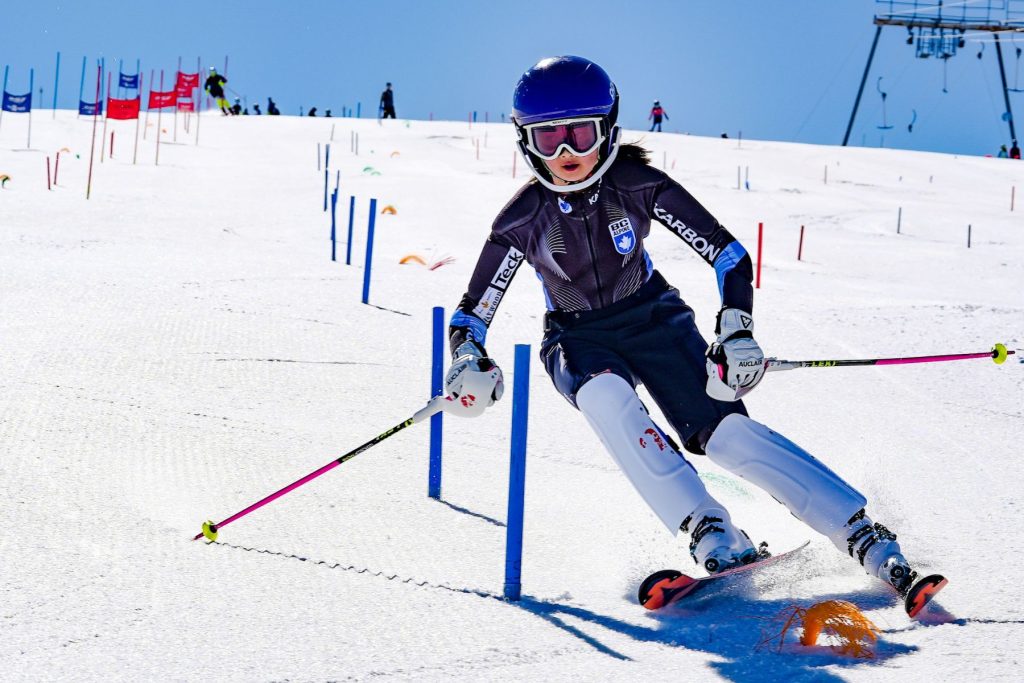
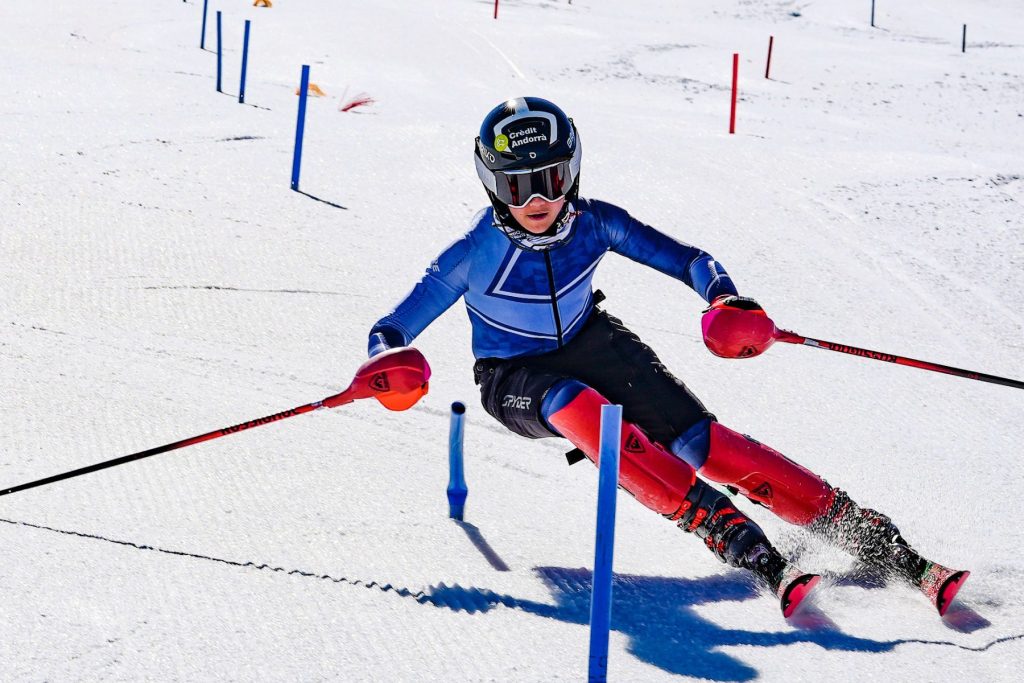
The day starts early. At 6:00 in the morning, nobody is thinking about personal growth. They’re thinking about breakfast. Getting dressed. Finding their gloves. Getting out the door. By 8 a.m., though, the group was on the glacier, ready to train. And they kept smiling.
Watching the coaches’ work
From the outside, ski coaching can look very technical. A turn. A stance. A line. A correction. But watching the coaches work with the athletes over ten days revealed something much bigger. They weren’t simply trying to make the athletes ski better.
The athletes were learning to listen—to their body, their mind and the moment.
The coaches repeatedly encouraged the athletes to talk about what they were feeling—to speak up if something wasn’t working, whether it was their boots, their balance, their confidence or their state of mind. They reminded them that feedback is not judgement. It is information.
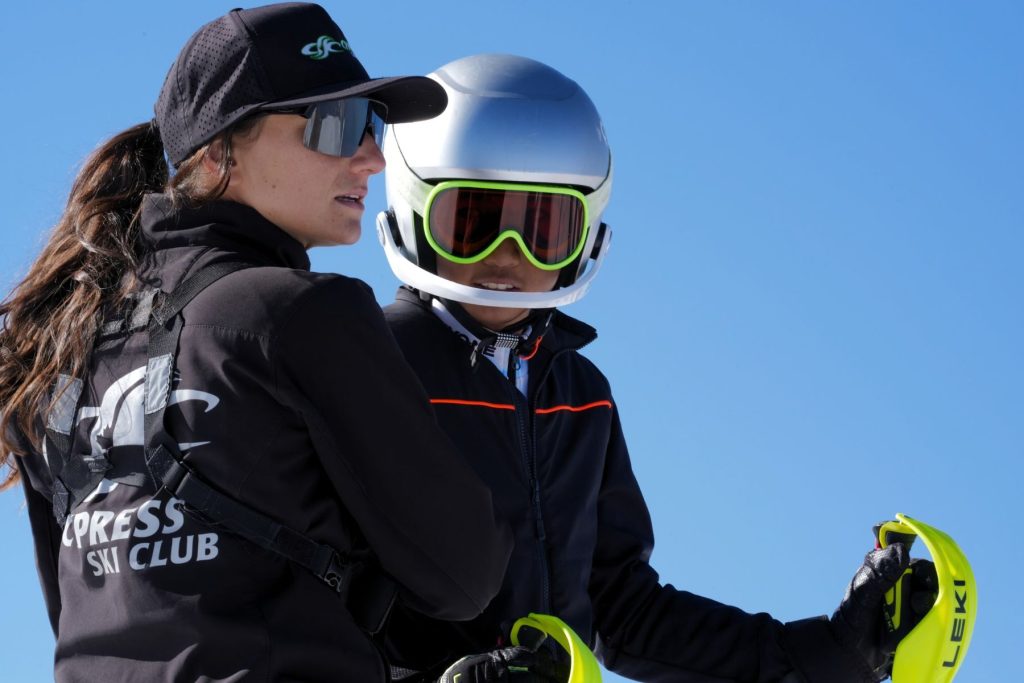
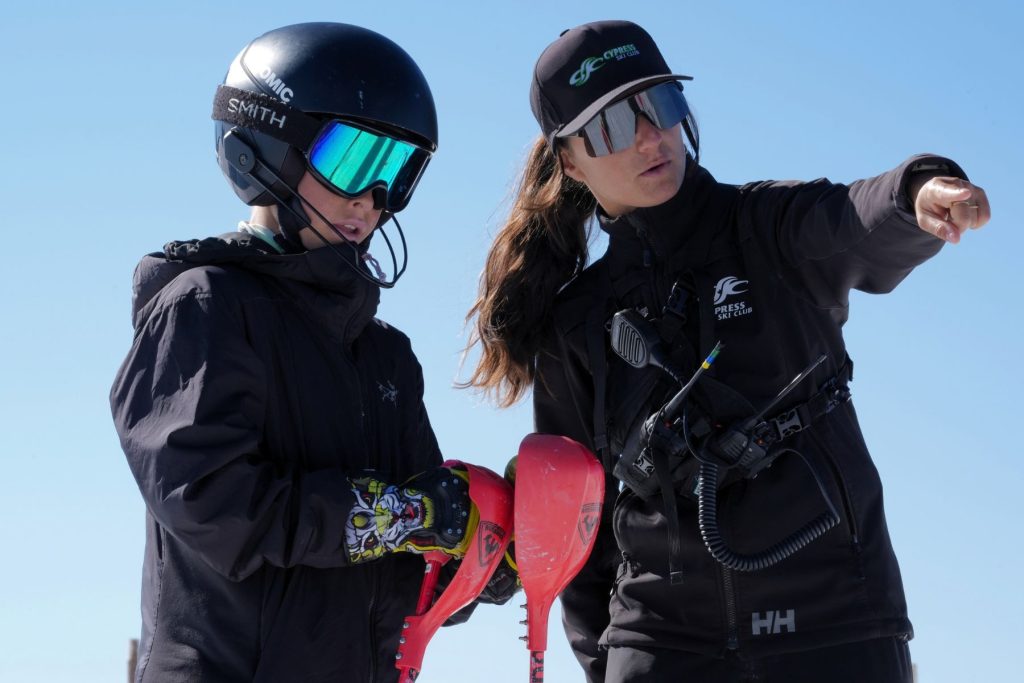
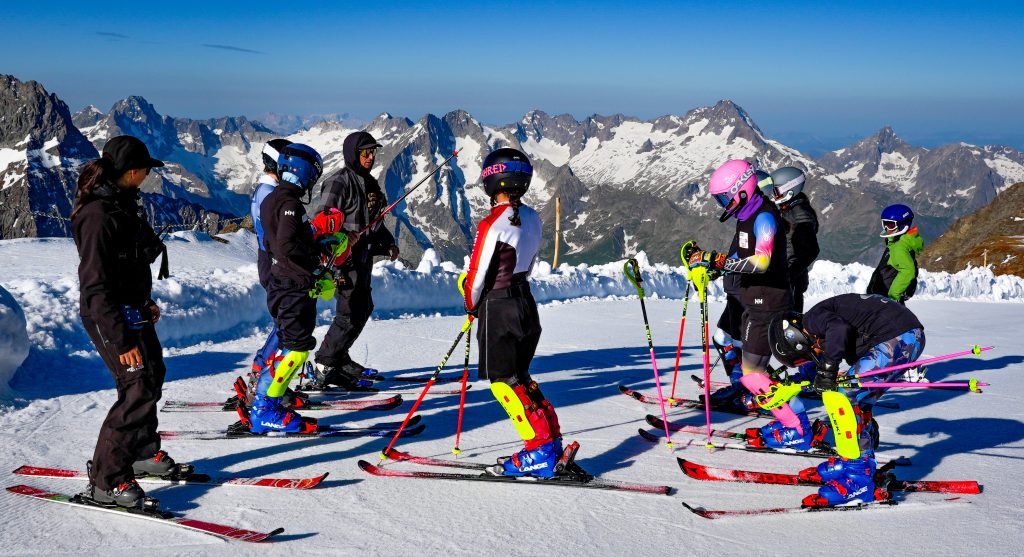
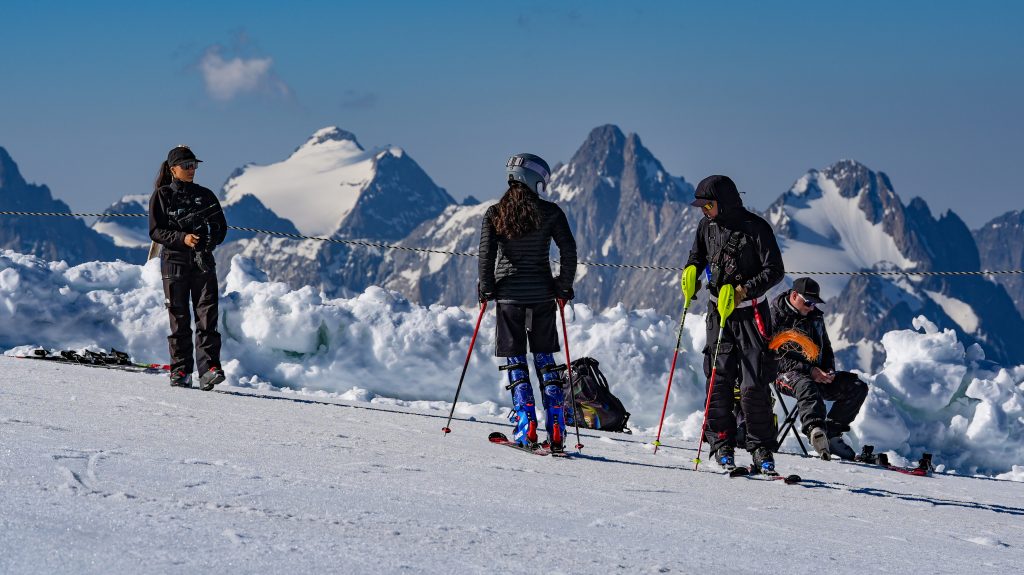
That distinction matters as young athletes begin to take greater ownership of their development. The coaches can see the skiing. The athlete has to learn to listen—to their body, their mind and the moment—and find the words to communicate what they need.
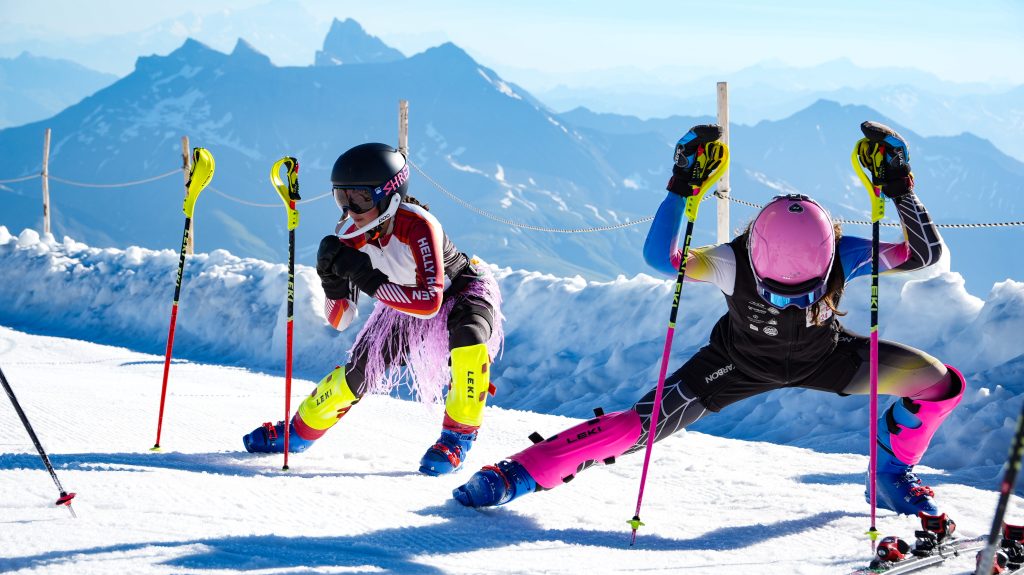
Sometimes a run ends with a straddle. Sometimes you fall. Sometimes you make the wrong decision. Sometimes the run you imagined in the start gate simply doesn’t happen. That is ski racing. The coaches encouraged the athletes to stop chasing perfection and start looking at the bigger picture. Did they manage their nerves? Did they commit? Did they recover? Did they recognize something they had done well? Those are victories, too.
Watching this unfold was a reminder that resilience doesn’t come from protecting young athletes from difficult experiences. It comes from helping them learn how to respond when things don’t go their way.
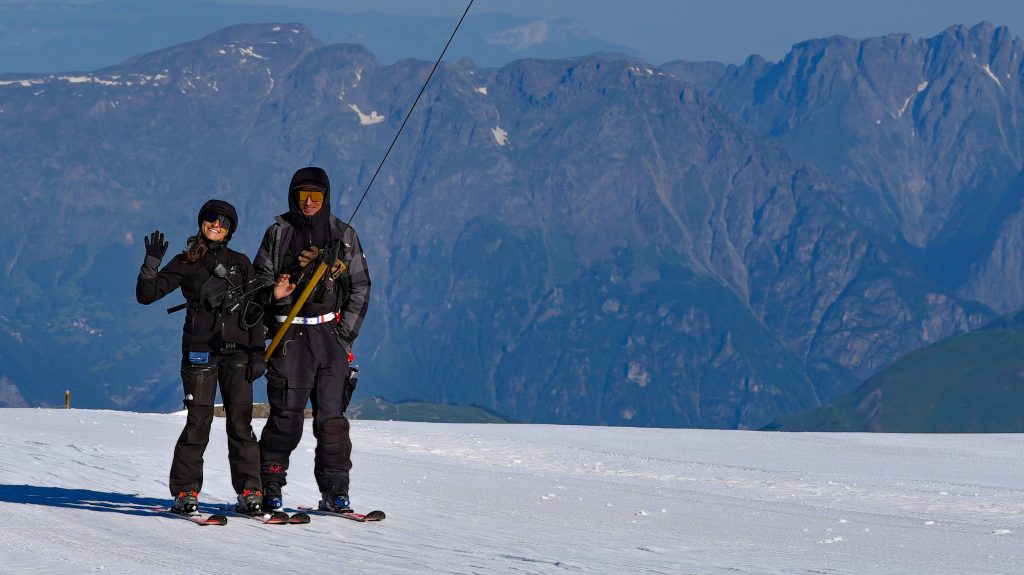
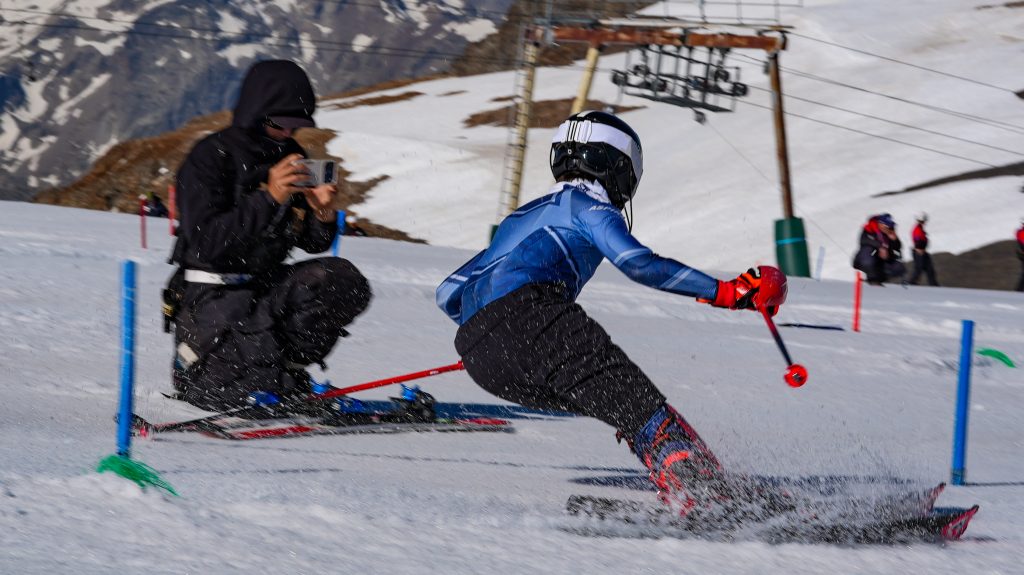
The coaches were there for the athletes on piste and off piste—from technical feedback and video review to the conversations, encouragement and small moments of support that happen away from the mountain. They took the time to understand each athlete as an individual: what they were working on, where they were struggling, what gave them confidence and what they needed to keep moving forward.
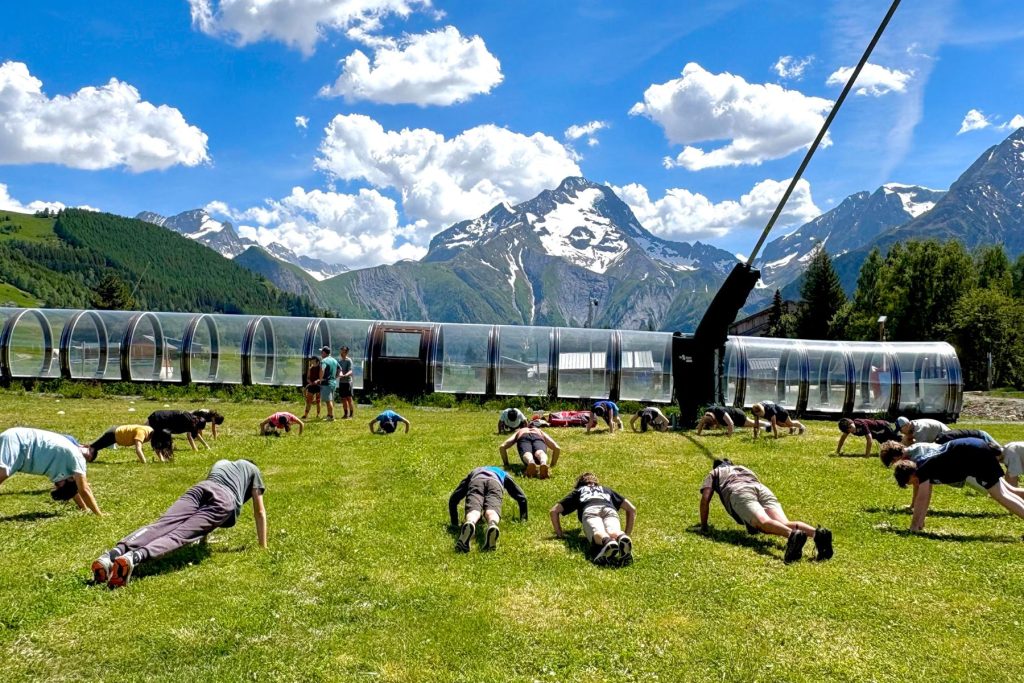
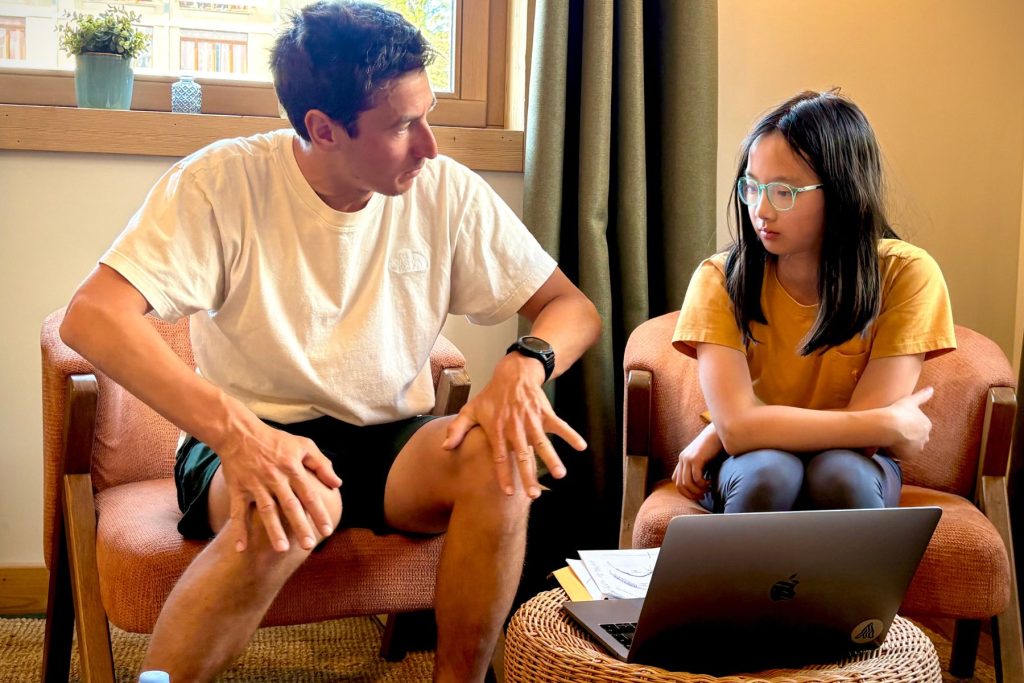
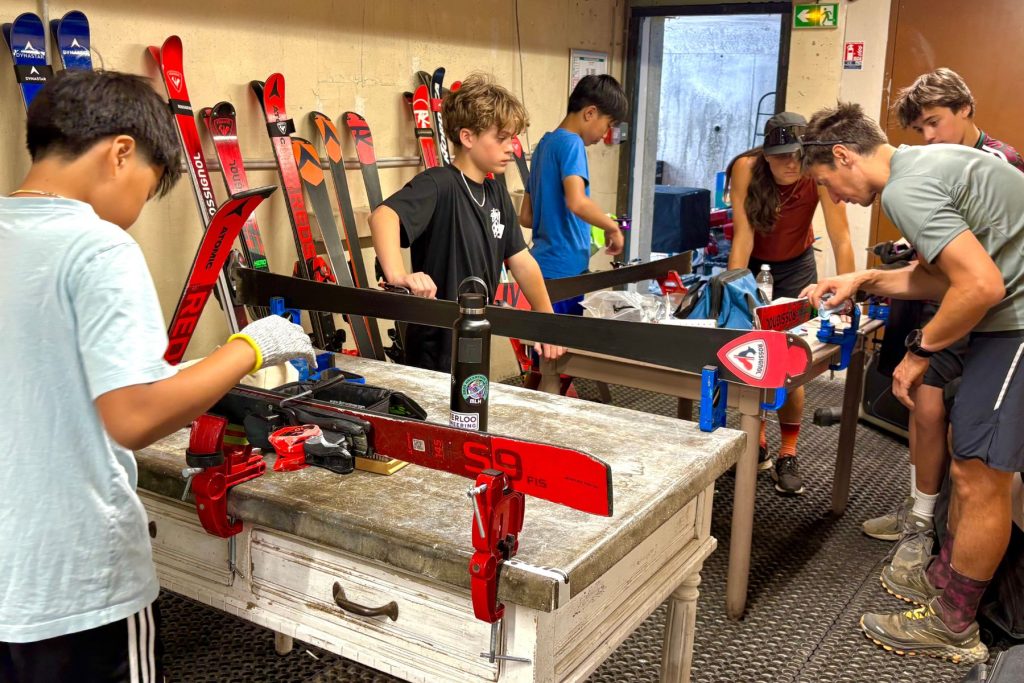
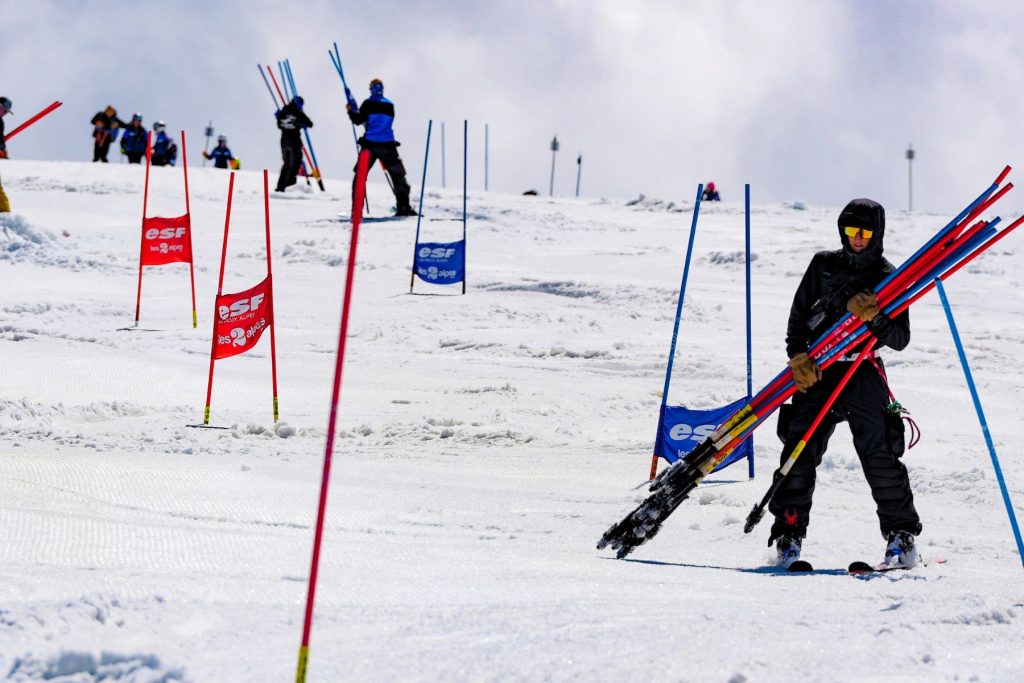
The days were long. Five hours on snow were followed by recovery, dryland activities, video, ski tuning and team meetings. There were ten consecutive days of training, which was a significant challenge—particularly for the younger athletes. And yet, for most of the camp, the energy was remarkably high.
A community beyond club lines
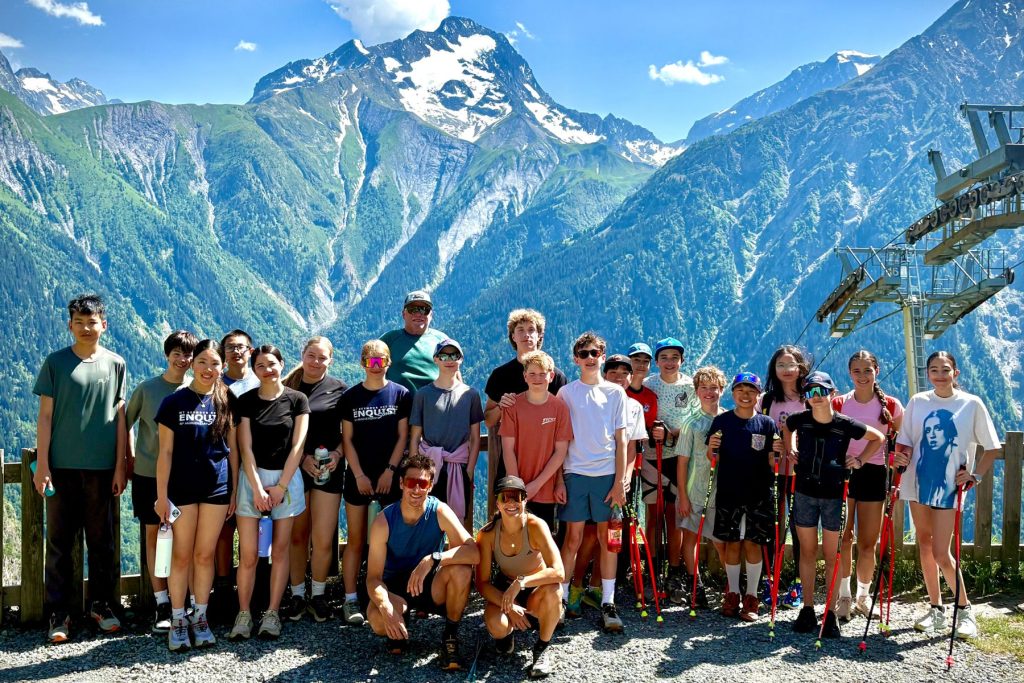
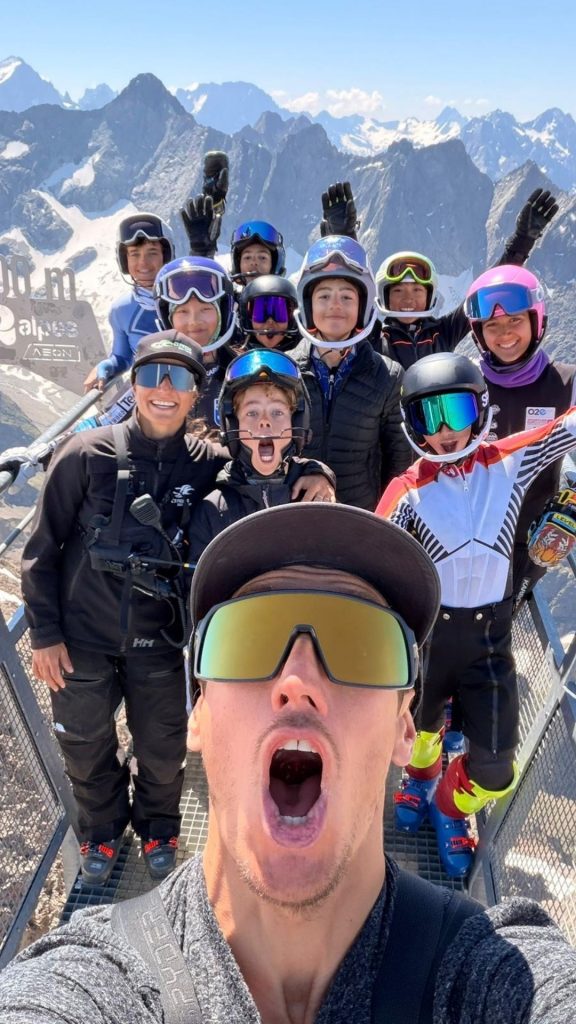
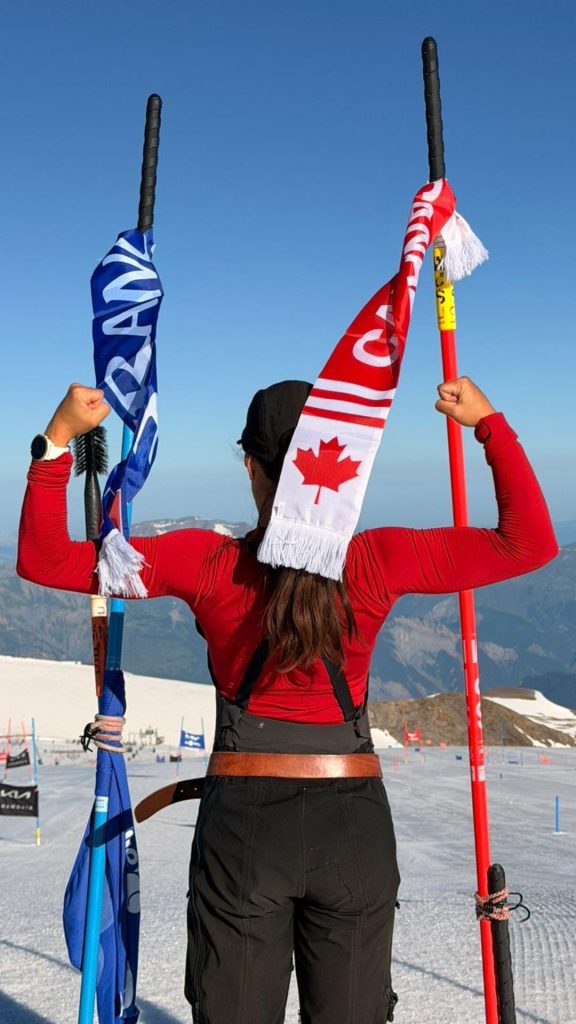
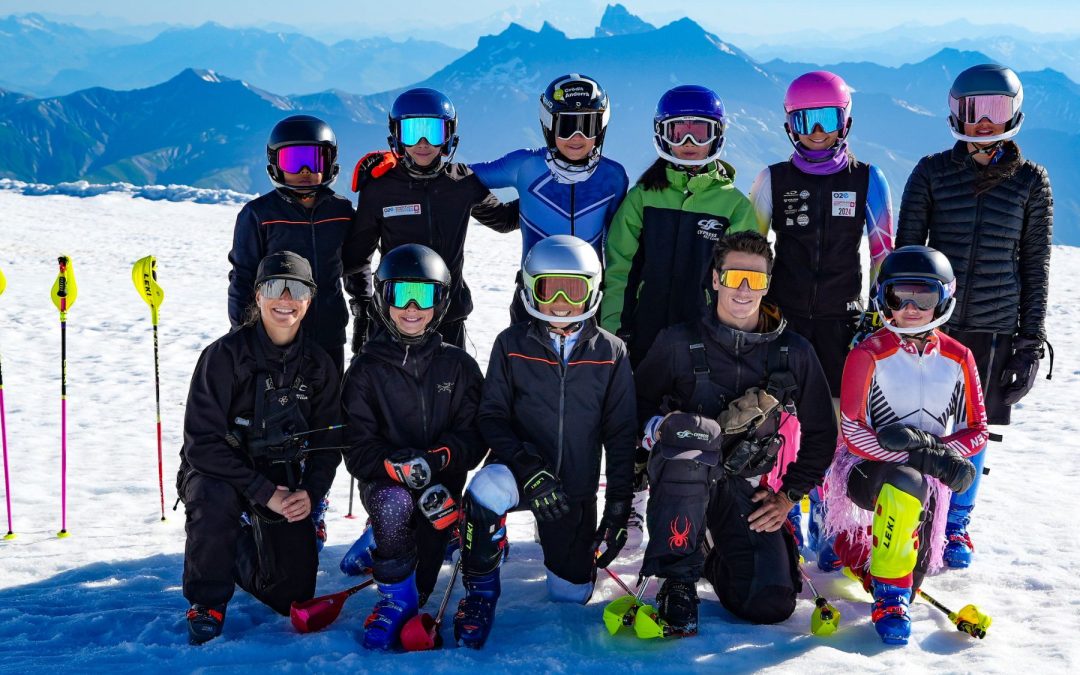
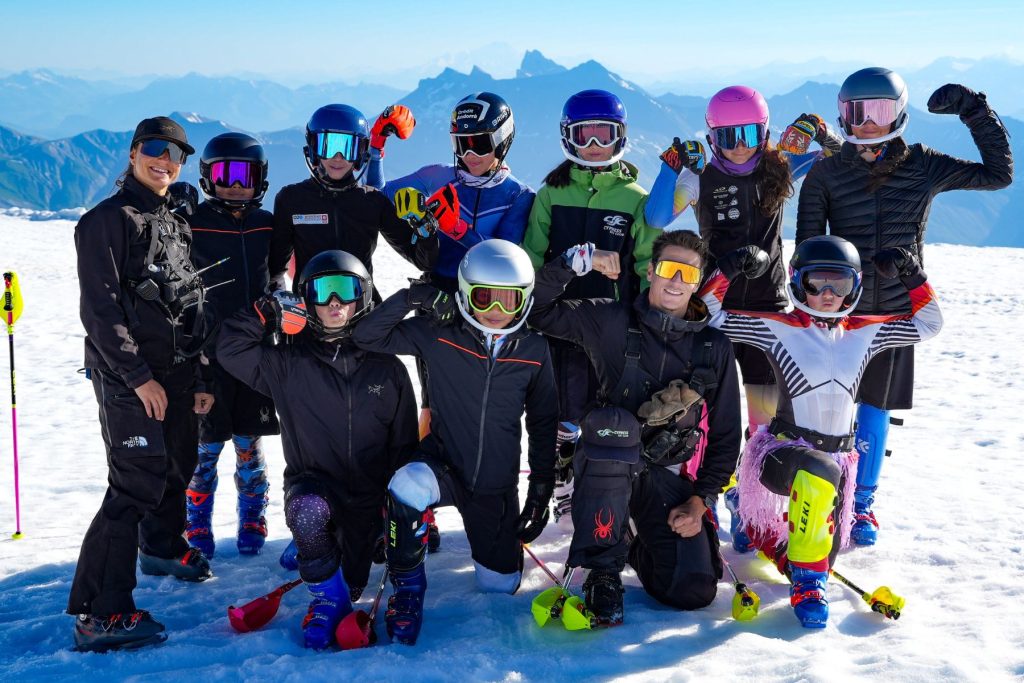
There was another side to their work that made the camp special. Our coaches reached out to other clubs in the Coast Zone and invited them to join us in Les 2 Alpes. Tyee, Sasquatch and Whistler answered the call, bringing their athletes and coaches together for the camp. At home, we may line up in different start gates and compete against one another. In France, we were simply a group of young Canadian ski racers sharing the mountain, learning together and representing Canada overseas. That sense of community—beyond club lines—was something special to witness.
And that deserves a genuine thank you.
Thank you to our coaches for the energy, patience and commitment you brought to every training day—and for caring about the people behind the athletes. Your work on the glacier was only part of what made this camp so valuable. The time, thought and care you invested off the piste mattered just as much.
The part the athletes don’t always see
Away from the mountain, another kind of development was happening. The athletes were learning to take care of themselves. They had to be organized. They had to listen. They had to manage their time and their equipment. They had to help one another. And, of course, they had to live together. For ten days.
That can teach you a lot about a group.
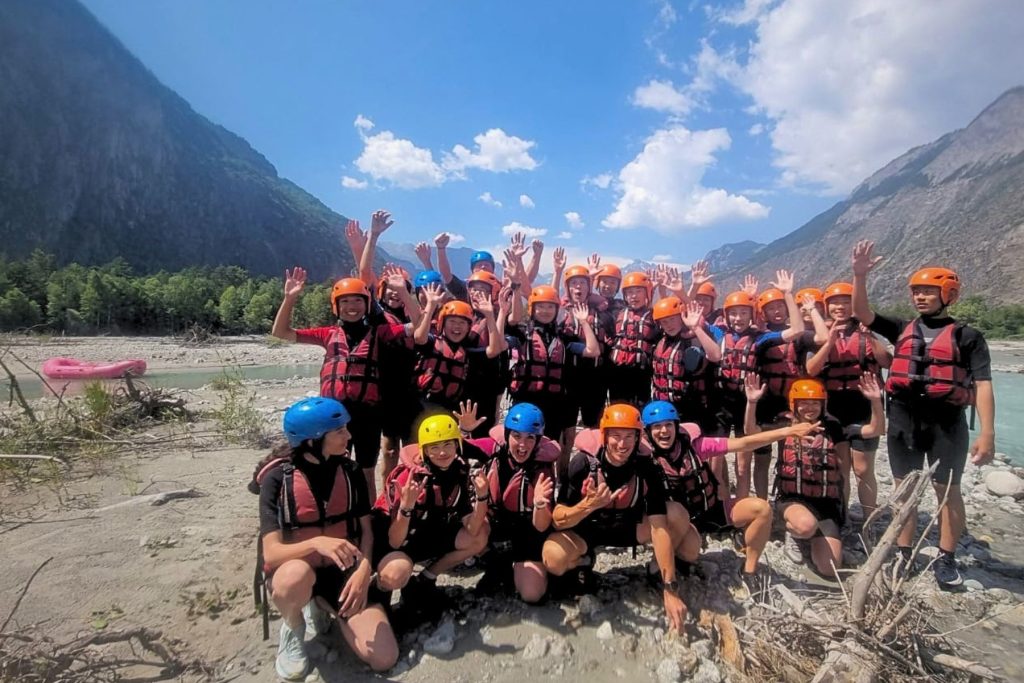
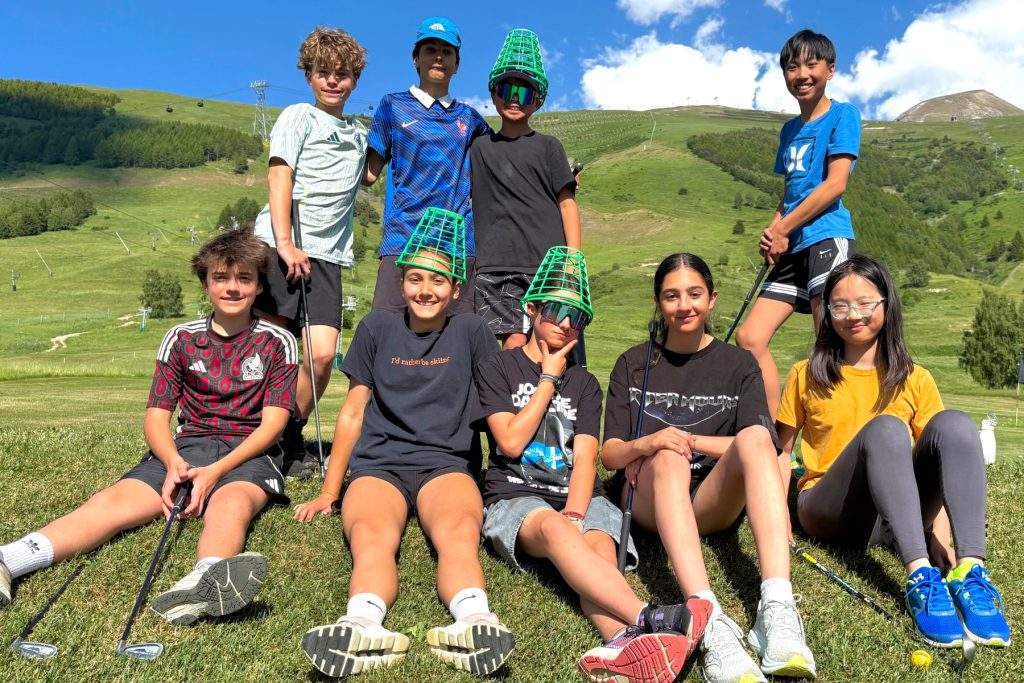
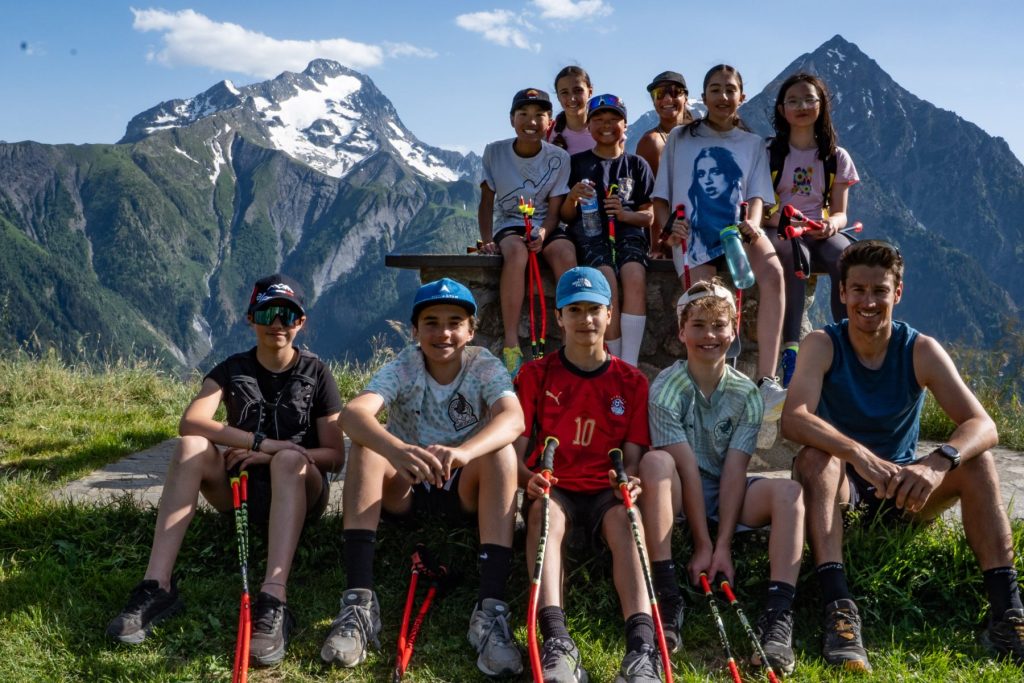
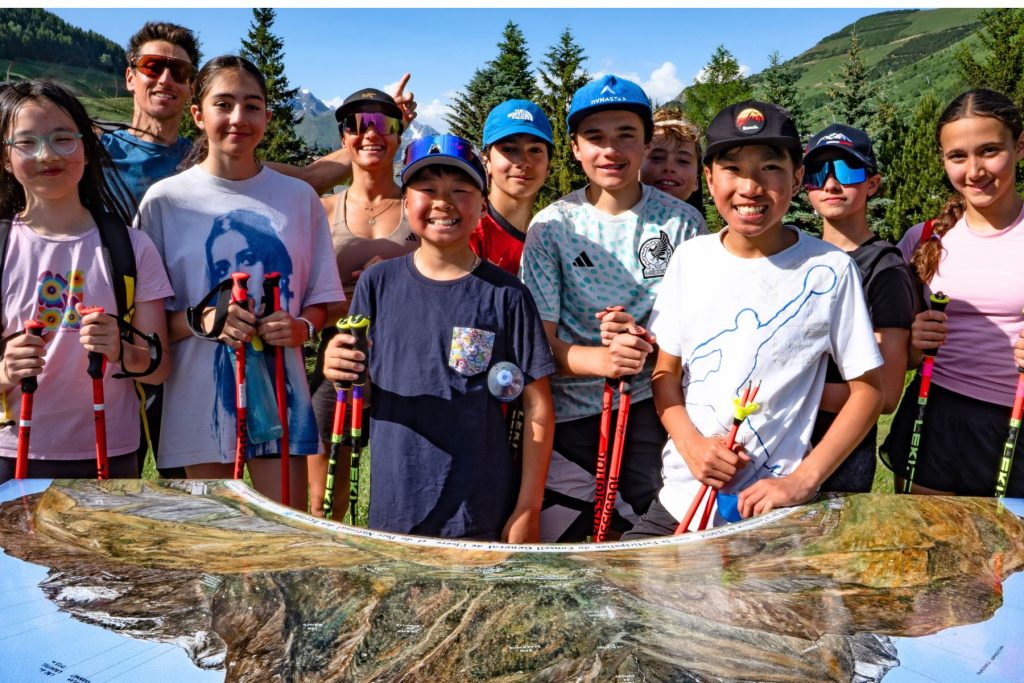
There were tired mornings and long gondola lines. There were moments when someone needed extra support. There were plenty of laughs, too—rafting, golfing, padel, hiking up Venosc, sharing meals and simply spending time together.
Slowly, the group became more connected. People who had arrived as individual athletes began to look out for one another.
That was one of the highlights of the trip for me.
No one was left behind.
Then, suddenly, it was over
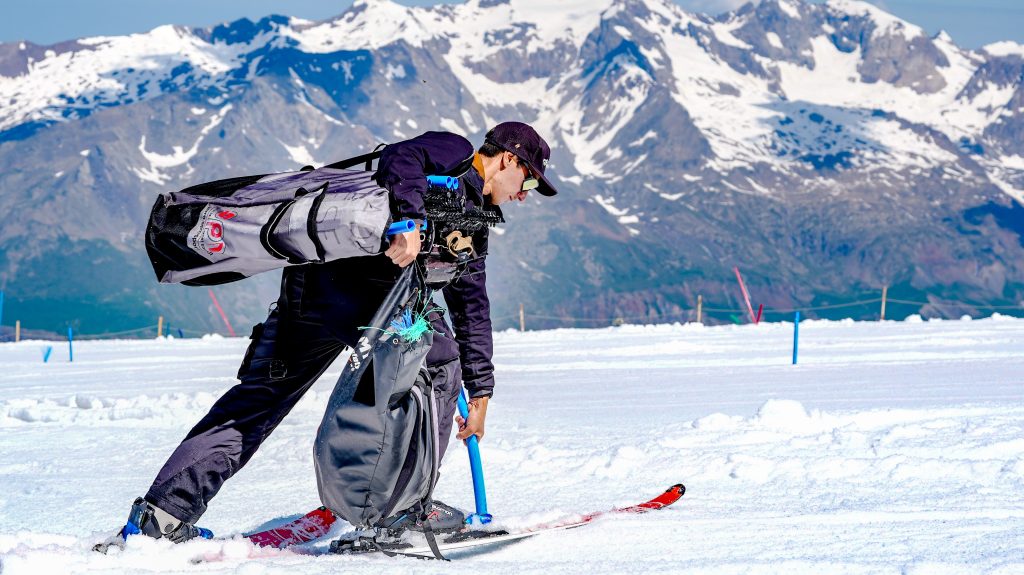
After ten days, the skis were packed. The rooms were cleaned. The tuning equipment was put away. And the group prepared for the long journey home. The glacier that had been part of their daily routine was suddenly behind them.
But they were taking plenty home with them.
Technical notes. Videos. New goals. And, hopefully, a little more confidence in themselves. They were also taking home friendships and shared memories that will last much longer than a summer training block. That, ultimately, is what made the experience feel so much bigger than a ski camp.
The athletes came to Les 2 Alpes to train. They left having learned something about skiing, certainly—but also about resilience, communication, independence and each other. As a parent and chaperone, I was noticing lifelong friendships being created.
That is what I will remember.
Not just how they skied, but who they were becoming. Because racing can sharpen the athlete. But community shapes the person. And that’s what it means to be Inspiring Skiers for Life.